Grains You Can Grind at Home: A Complete Guide to Fresh & Healthy Flour
When most people think of a flour mill, they only imagine grinding wheat. But a modern domestic flour mill can do much more than that. From nutritious millets to aromatic spices and pulses, grinding ingredients at home gives you fresher flour, better taste, and complete control over what your family eats.
If you own an Aarvi Flour Mill, your kitchen becomes more than just a place to prepare food. It becomes your own mini flour processing unit, allowing you to grind fresh ingredients whenever you need them.
Whether your goal is healthier meals, chemical-free flour, or saving money in the long run, knowing which grains you can grind at home helps you make the most of your flour mill.
Why Grind Grains at Home?
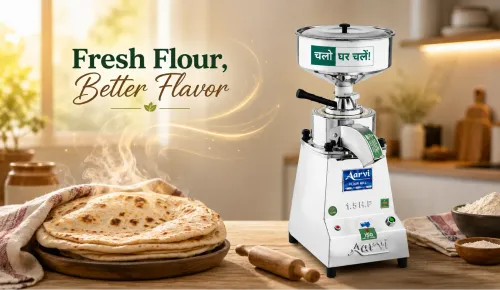
Freshly ground flour is very different from packaged flour that may sit on store shelves for weeks or even months. Grinding at home lets you choose high-quality grains and prepare flour only when required.
Some of the biggest advantages include:
• Better freshness and natural aroma
• Improved taste in rotis, parathas, and other recipes
• Greater control over grain quality
• No unnecessary additives or preservatives
• Fresh flour whenever you need it
For families who care about healthy eating, a home flour mill is a smart long-term investment.
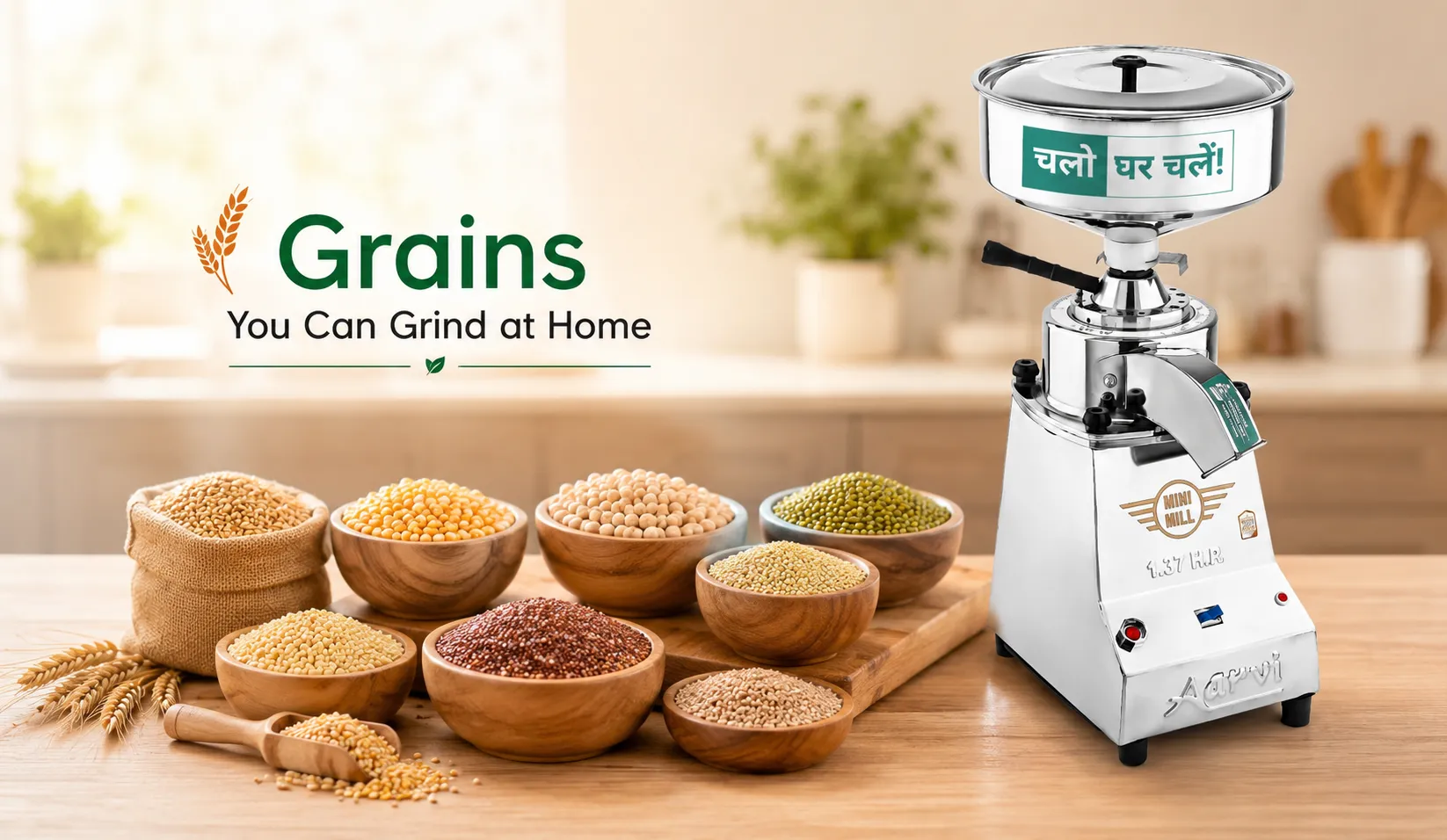
Grains You Can Easily Grind at Home
One of the biggest advantages of an Aarvi Flour Mill is its versatility. It is designed to grind a wide variety of grains used in Indian kitchens.
1. Wheat
Wheat is the most commonly ground grain in Indian homes. Fresh whole wheat atta produces soft rotis, phulkas, parathas, and pooris with better taste and aroma than packaged flour.
Best For:
• Chapati
• Roti
• Paratha
• Poori
2. Rice
Rice flour is widely used in South Indian dishes, snacks, sweets, and gluten-free recipes.
You can prepare fresh rice flour for:
• Idli
• Dosa
• Murukku
• Rice rotis
• Rice cakes
3. Bajra (Pearl Millet)
Bajra is rich in fiber and essential minerals, making it a popular winter grain.
Fresh bajra flour is commonly used for:
• Bajra rotla
• Bhakri
• Healthy millet recipes
4. Jowar (Sorghum)
Jowar flour is naturally gluten-free and commonly used in many Indian households.
Ideal for:
• Jowar roti
• Bhakri
• Healthy millet-based meals
5. Maize (Makka)
Fresh maize flour is perfect for preparing traditional dishes.
Common recipes include:
• Makki ki roti
• Corn-based snacks
• Thick gravies
6. Besan (Gram Flour)
Instead of purchasing ready-made gram flour, many families prefer grinding chana at home for maximum freshness.
Perfect for:
• Pakoras
• Dhokla
• Kadhi
• Chilla
• Namkeen
7. Daliya (Broken Wheat)
Broken wheat can also be ground into flour depending on your recipe requirements.
Useful for:
• Healthy breakfast recipes
• Multigrain flour mixes
• Homemade nutrition blends
8. Rava (Semolina)
Fine grinding of rava allows you to prepare different flour textures suitable for Indian cooking.
Common uses include:
• Upma
• Halwa
• Idli mixes
• Baking recipes
9. Pulses (Dal)
Many pulses can be ground into fresh flour for various traditional dishes.
Examples include:
• Urad Dal
• Moong Dal
• Chana Dal
• Masoor Dal
These are widely used for dosa batter mixes, papad flour, snacks, and protein-rich recipes.
10. Coriander Seeds (Dhaniya)
Fresh coriander powder offers a stronger aroma and richer flavor compared to packaged spice powders.
Grinding small batches helps preserve freshness and natural oils.
11. Turmeric (Haldi)
Properly dried turmeric fingers can be ground into fresh turmeric powder at home.
Benefits include:
• Better aroma
• Rich natural color
• Fresh spice without unnecessary additives
Why Freshly Ground Flour Makes a Difference
Fresh flour naturally retains its aroma and original flavor because it is prepared only when needed. Grinding small batches at home also helps maintain better freshness compared to storing large quantities for extended periods.
Many families prefer home-ground flour because they can choose the grains themselves and prepare customized flour blends according to their preferences.
Tips Before Grinding Different Grains
For the best grinding performance, always follow these simple practices:
• Clean grains thoroughly before grinding.
• Ensure grains are completely dry.
• Remove stones and foreign particles.
• Store grains in airtight containers.
• Grind only the quantity required for daily or weekly use.
Proper grain preparation helps improve flour quality and supports smooth machine operation.
Why Choose an Aarvi Flour Mill?
An Aarvi Domestic Flour Mill is designed to deliver consistent grinding performance while fitting perfectly into modern Indian homes.
Key benefits include:
• Stainless steel body for long-lasting durability
• Powerful grinding performance
• Compact and space-saving design
• Easy operation for daily use
• Suitable for multiple grains and spices
• Fresh flour whenever you need it
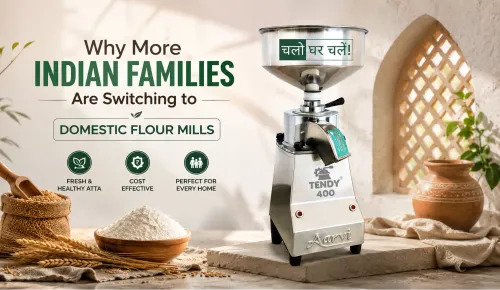
Whether you choose the Tendy 400, MiniMil 137, StarPlus 150, or StarPlus 200, Aarvi Flour Mills help you prepare fresh flour with convenience and confidence.
Final Thoughts
A home flour mill is no longer just for grinding wheat. From rice and millets to pulses, spices, and traditional grains, it allows you to prepare a wide variety of fresh ingredients right in your kitchen.
Choosing to grind grains at home means enjoying fresher flour, better flavor, and greater control over the quality of your food. Whether you're preparing soft rotis, healthy millet recipes, or homemade spice powders, a reliable flour mill makes everyday cooking simpler and more rewarding.
With Aarvi Flour Mill, you can bring freshness, convenience, and versatility into your kitchen while making healthier choices for your family.
Keywords