
How Grain Quality Affects the Flour You Get at Home
The quality of your flour starts long before the grinding process. The wheat or other grains you choose can have a noticeable effect on the colour, texture, aroma and overall quality of the flour you prepare at home.
For families using a domestic flour mill, choosing good-quality grains is an important part of making fresh and consistent atta. A good home flour mill gives you control over the grinding process, but the final flour still depends greatly on the quality and condition of the grains you put into it.
Whether you are preparing everyday wheat atta, multigrain flour or experimenting with different grains, understanding grain quality can help you get better results from your home atta chakki.
Why Does Grain Quality Matter When Making Flour at Home?
Not all grains are the same. Their freshness, cleanliness, moisture level, storage condition and variety can influence the flour produced after grinding.
When you use clean and good-quality grains in a flour mill for home, you can achieve flour with a more consistent texture and natural grain aroma. On the other hand, old, poorly stored or contaminated grains may affect the overall quality of the flour.
This is why selecting the right grains is just as important as choosing a reliable domestic flour mill.
1. Fresh Grains Can Make Better-Tasting Flour
Fresh, properly stored grains generally have a natural aroma and flavour that can contribute to the taste of freshly ground atta.
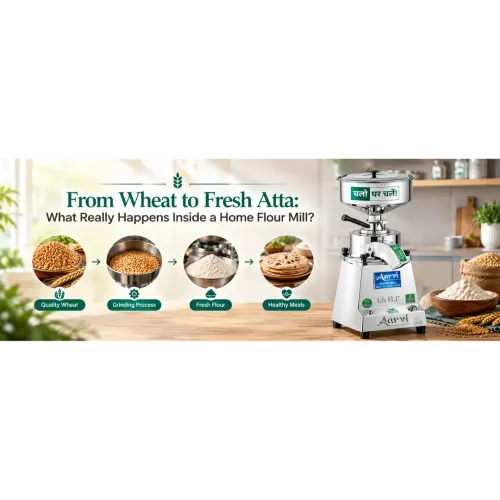
When wheat is ground at home, you can prepare the quantity you need instead of keeping large amounts of flour stored for extended periods. This makes a home flour mill a convenient option for families who prefer freshly prepared flour.
For everyday rotis, parathas and other wheat-based recipes, the quality of the starting grain plays an important role in the final result.
2. Clean Grains Are Essential for Good Flour
Before grinding, grains should be properly checked and cleaned.
Remove visible stones, dust, damaged grains, husk or other unwanted materials before putting them into your home atta chakki. Clean grains help maintain better grinding conditions and ensure that the flour you prepare starts with good-quality ingredients.
A simple grain inspection before grinding can make a meaningful difference to your homemade atta routine.
3. Grain Moisture Can Affect Grinding
The moisture condition of grains can influence how they behave during grinding. Grains that have been exposed to moisture or stored in unsuitable conditions may not grind in the same way as properly stored grains.
For consistent results, store wheat and other grains in a clean, dry and airtight environment away from excessive humidity.
Proper storage is particularly important in Indian homes where seasonal humidity can vary considerably.
4. Different Grains Produce Different Types of Flour
The type of grain you choose naturally affects the flour you get.
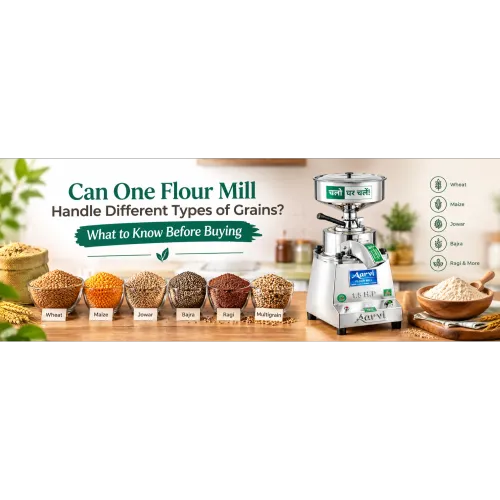
A domestic flour mill can be used with suitable grains such as:
- Whole wheat
- Jowar
- Bajra
- Ragi
- Maize
- Other suitable grains and combinations
Each grain has its own characteristics, so the colour, texture and aroma of the resulting flour can vary.
This makes home grinding useful for families who want more flexibility than simply purchasing one standard packaged flour.
5. Good-Quality Wheat Can Improve Everyday Atta
Wheat is one of the most commonly used grains in Indian kitchens. However, wheat varieties can differ in appearance, size, texture and other characteristics.
Choosing clean, good-quality whole wheat gives your home flour mill a better starting ingredient for preparing everyday atta.
If your family regularly makes rotis, chapatis or parathas, paying attention to the wheat you purchase can be just as important as selecting the right atta chakki for home.
6. Storage Matters as Much as Selection
Even good-quality grains can lose their desirable characteristics if they are not stored properly.
Keep grains:
- In airtight containers
- Away from moisture
- Away from direct sunlight
- In a clean storage area
- Protected from insects and contamination
Buying grains from a reliable source and storing them correctly helps maintain their quality until you are ready to grind them.
7. Better Grain Selection Gives You More Control
One of the biggest advantages of using a domestic flour mill at home is that you decide what goes into your flour.
Instead of purchasing ready-made flour, you can select your preferred grains and prepare the quantity you need. You can also create different combinations based on your family's cooking preferences.
For example, some households may prefer traditional whole wheat atta, while others may enjoy preparing their own multigrain flour.
8. Your Flour Mill Works Best With Properly Prepared Grains
A good home flour mill can make grinding convenient, but it cannot compensate for poor-quality or improperly stored grains.
Before grinding, make it a habit to:
- Check the grains for unwanted materials.
- Remove damaged or visibly spoiled grains.
- Ensure the grains are suitably dry and properly stored.
- Use the appropriate grain combination for your requirement.
- Clean and maintain the flour mill regularly.
This simple routine can help you maintain consistent flour quality while keeping your domestic atta chakki in good working condition.
Grain Quality + Home Grinding = Better Control Over Your Atta
Making atta at home is not only about the machine. The quality of the grain, how it is stored and how it is prepared for grinding all contribute to the flour you get.
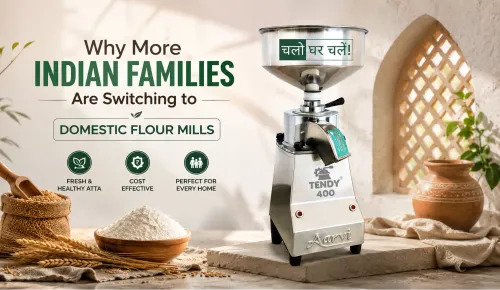
A domestic flour mill gives families greater control over this process. You can choose your grains, grind them according to your requirements and prepare fresh flour whenever needed.
This combination of quality grains and convenient home grinding makes a home atta chakki a useful addition to modern Indian kitchens.
How to Choose the Right Grains for Your Home Flour Mill
When buying grains for home grinding, look for grains that are:
Clean: Free from visible dust, stones and unwanted materials.
Fresh: Properly stored and without unusual odour or visible spoilage.
Dry: Not damp or affected by excess moisture.
Suitable: Appropriate for your flour mill and intended recipe.
Well-stored: Kept in a clean, dry and airtight container.
These simple checks can help you get more consistent results from your flour mill at home.
Final Thoughts
The quality of homemade flour begins with the quality of the grains.
Choosing clean, fresh and properly stored grains can help you get more consistent results when using a domestic flour mill. Whether you prefer traditional wheat atta or homemade multigrain flour, better grain selection gives you greater control over what goes into your everyday flour.
A home atta chakki makes the grinding process convenient, but the foundation remains simple: start with good grains, store them properly and grind them with care.
Better grains. Freshly ground flour. Better control at home.
Keywords